
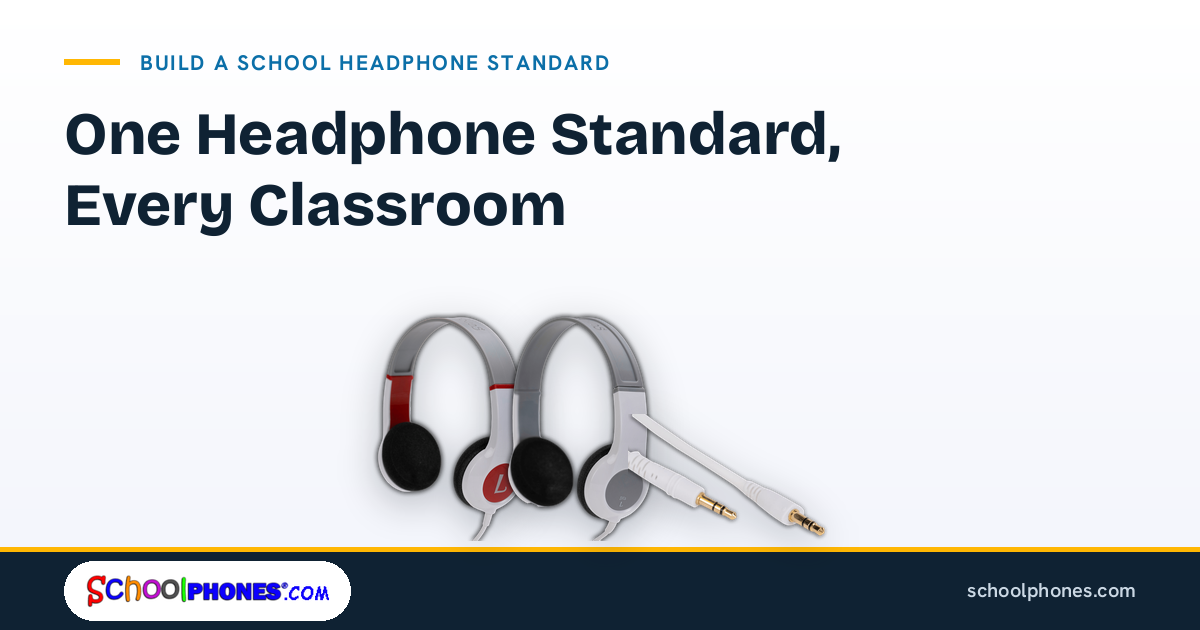
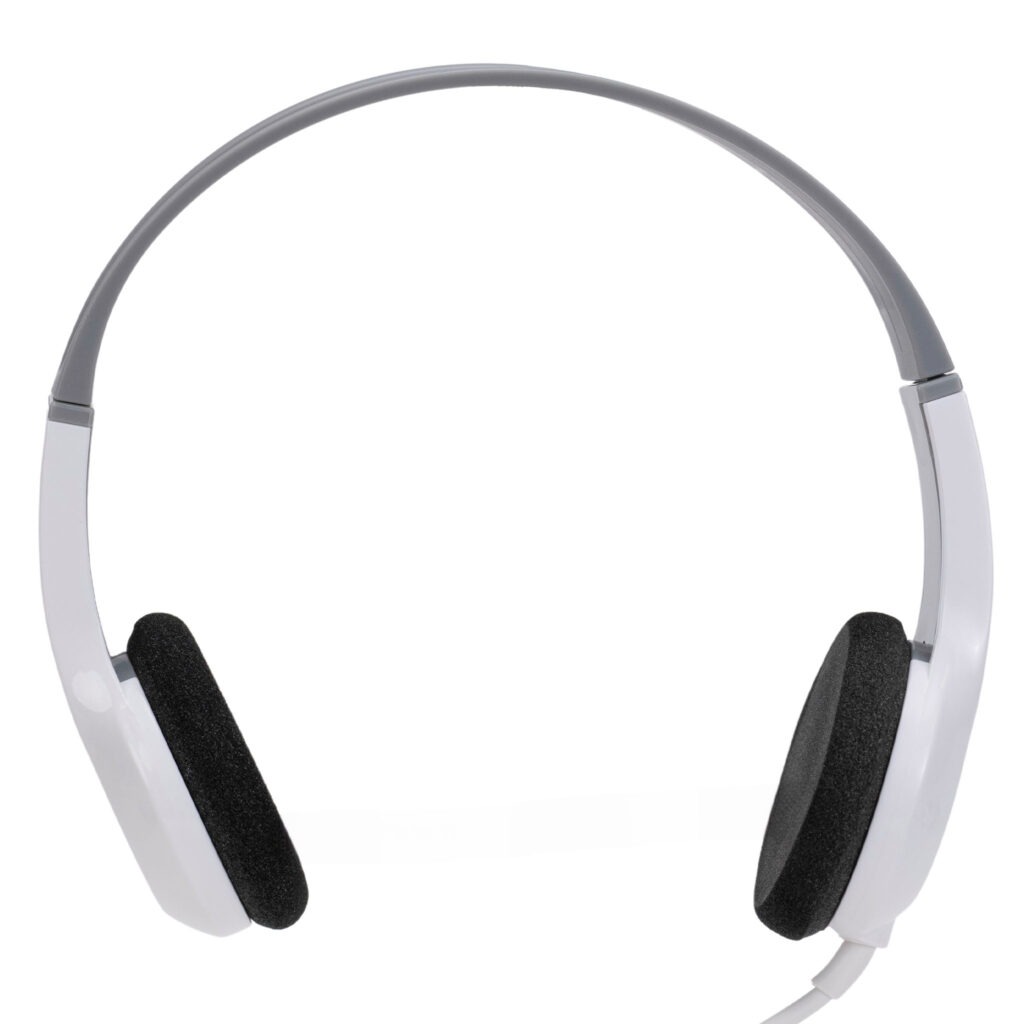
Student audio is no longer a small classroom supply decision. Headphones are now part of daily instruction, device-based interventions, and online assessments, and many state testing programs require students to use audio for specific accommodations or test sections. A district-wide standard helps schools purchase headphones for schools more consistently, reduce compatibility problems, and make replacement decisions faster.
For K-12 teams, the goal is not to find one “perfect” model for every situation. It is to define a practical baseline: what every student headphone must support, how it will be labeled, and when it should be repaired or replaced. Just as important, a school-first standard works best with a 1:1 model so each student has one dedicated headphone for hygiene, accountability, fit, and longer-term care.
Why a headphone standard saves time and support tickets
Without a standard, schools often end up with a mix of connectors, cable lengths, ear pad materials, and durability levels. That creates avoidable work for teachers, campus techs, and purchasing staff. A district may also discover too late that some headphones are a poor fit for testing devices or classroom cases.
A written standard reduces those issues by giving every school the same baseline for compatibility and replacement. It also makes bulk purchasing easier because staff can compare products against a clear checklist instead of starting from scratch each time.
What a district standard usually improves
- Fewer device compatibility questions for Chromebooks, iPads, and tablets
- More consistent student experience across classrooms and campuses
- Simpler purchasing and bid comparisons
- Clearer expectations for teachers and media staff
- Faster replacement decisions when cords, plugs, or ear pads fail
- Better hygiene and accountability with one dedicated headphone per student
A standard is especially useful for assessment planning. If your district supports online testing, it helps to align your purchasing rules with your testing environment and device fleet. School teams reviewing headphones for online testing should treat testing compatibility as a required checkpoint, not an afterthought.
Set the minimum specs every school should use
The most effective standards start with minimum specifications, not brand names. That gives schools flexibility while still protecting compatibility and durability. Your district can approve multiple models as long as each one meets the same baseline.
Start with device compatibility
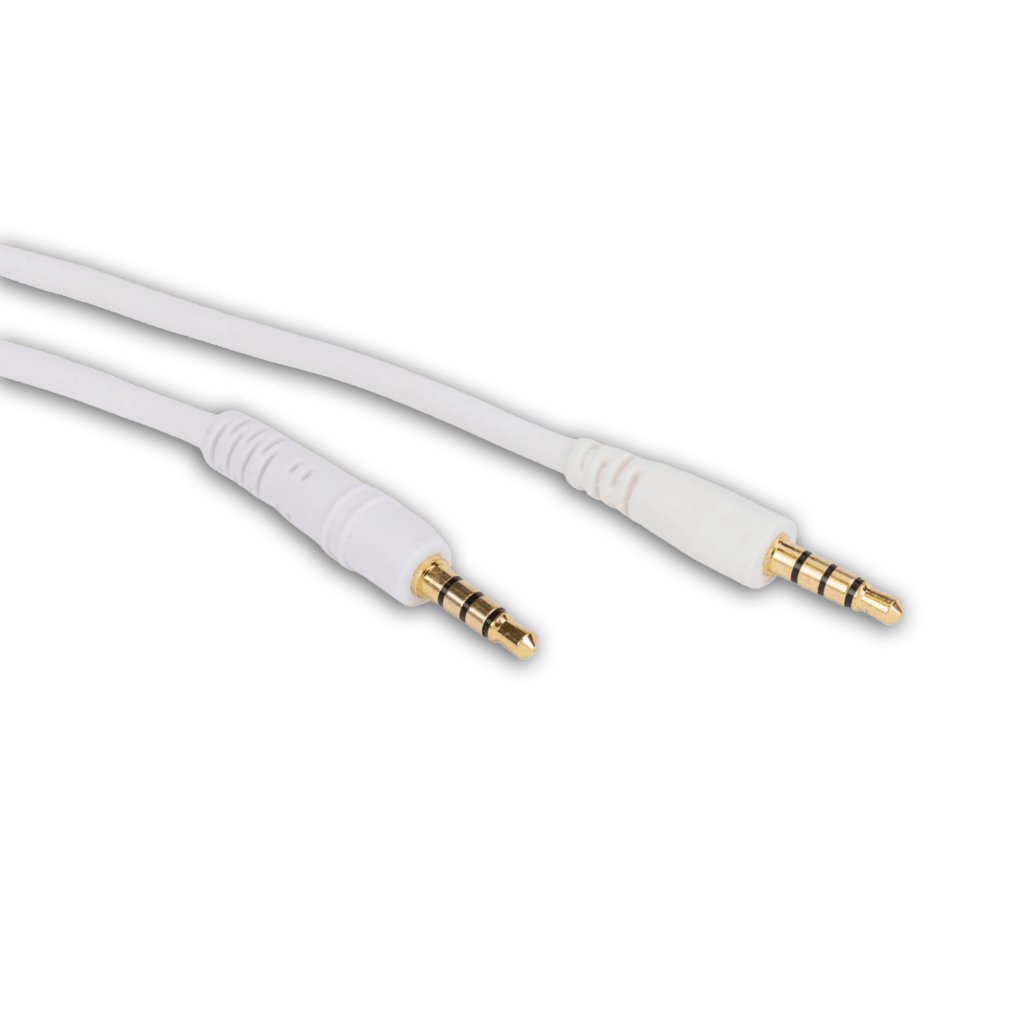
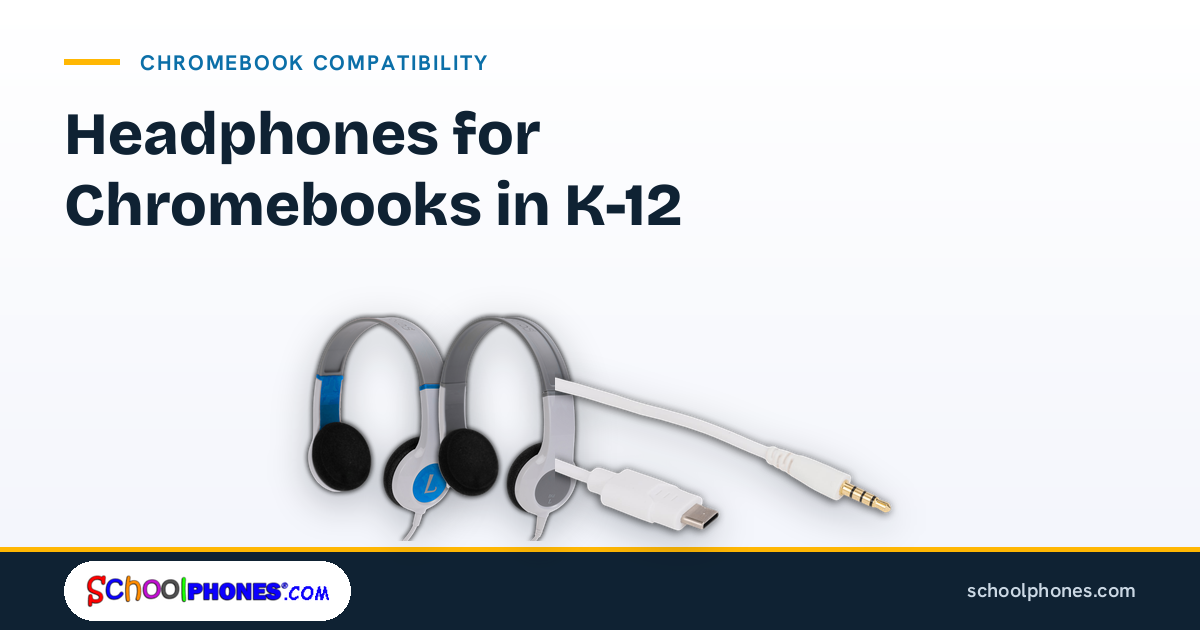
List the devices students actually use: Chromebooks, iPads, desktop labs, tablets, and testing devices. Then define the connector and adapter requirements that match those devices. For many schools, the 3.5mm plug remains the simplest baseline because it works across a wide range of education hardware, but your district should confirm current device ports before finalizing the standard.
If iPads or tablets are common in your classrooms, it helps to review device-specific guidance such as school headphones for iPads and headphones for tablets in classroom use before setting district specs.
Include volume-limiting requirements
For student use, volume-limited headphones are a practical baseline. SchoolPHONES® applies 85 dB hardware volume limiting across the K6 series for younger students, while the BK series is deliberately full range for older students doing music and media work, which lets a district match the limit to the grade band rather than accept one compromise everywhere, more standardized listening experience for younger users.
If your district serves multiple grade bands, note whether the same volume-limited standard will apply district-wide or whether certain labs or specialized programs need a separate approved list.
Define durability features in plain language
Durability matters more when headphones are used daily. Instead of vague wording, specify the physical features you want every approved model to have.
- Reinforced or durable headband construction
- Replaceable or modular cables where possible
- Strain relief at the plug and earcup entry points
- Ear pads that can be cleaned or replaced
- A cable length appropriate for desks and carts without excessive slack
Modular designs can be especially helpful because they allow schools to replace the part that failed instead of discarding the entire unit. For districts building a long-term standard, that can simplify maintenance and reduce disruption.
Separate classroom, testing, and headset use cases
Not every audio need is identical. Your standard should identify at least three categories:
- Classroom listening headphones for daily instruction
- Testing headphones that meet your assessment environment requirements
- Headsets with microphones for language learning, intervention, or student response tasks
This keeps schools from buying a microphone headset when a basic headphone is enough, or buying a lightweight classroom model for a high-use testing lab where a more durable option is needed. Districts comparing approved options can review school headphones and media headsets by use case rather than trying to force one model into every scenario.
Choose labels, inventory codes, and checkout rules
Once the specs are set, the next challenge is keeping headphones assigned, traceable, and easy to support. This is where many districts lose time. A simple labeling and inventory process prevents confusion at the classroom level.
Use a 1:1 assignment model
Each student should have one dedicated headphone assigned to them. That approach supports hygiene, improves accountability, and makes it easier to identify recurring damage patterns. It also helps students become familiar with the fit and care of their own equipment.
A shared pool may seem simpler at first, but it often creates more cleaning work, more wear, and less accountability. For most K-12 environments, one headphone per student is the stronger long-term standard.
Create a district labeling format
Keep labels readable and consistent across campuses. A good format usually includes:
- School or campus code
- Grade or classroom code
- Student ID or roster number
- Asset or inventory number if tracked centrally
For example, a label might follow a pattern such as campus-room-student number. The exact format matters less than using the same logic district-wide.
Decide where labels should go
Place labels where staff can see them quickly but where they are less likely to peel off during normal use. Many schools label the headband exterior or storage bag rather than the ear pad surface. If your district uses barcodes or QR codes, test them on the actual headphone material before full rollout.
Write simple checkout and transfer rules
Even in a 1:1 model, students move between classrooms, programs, or campuses. Your standard should explain:
- Who assigns the headphone at the start of the year
- Where the assignment is recorded
- How transfers are documented
- What happens when a student withdraws or changes schools
- Who verifies condition at collection points
Keep the process short enough that teachers will actually use it. A one-page procedure is usually more effective than a long manual.
Define replacement triggers for cords, pads, and plugs
Replacement rules are where a standard becomes practical. Staff should not have to guess whether a headphone is still serviceable. Define what can be cleaned, what can be repaired, and what must be replaced.
Set clear cord failure criteria
Cords are one of the most common failure points. Replace or repair a unit when the cable shows:
- Exposed internal wiring
- Intermittent audio when the cord moves
- Severe kinks or crushing near the plug
- Broken strain relief
- Loose connection at the earcup or plug
If your district approves modular models, a damaged cable may only require a part replacement rather than a full unit replacement.
Define ear pad and hygiene thresholds
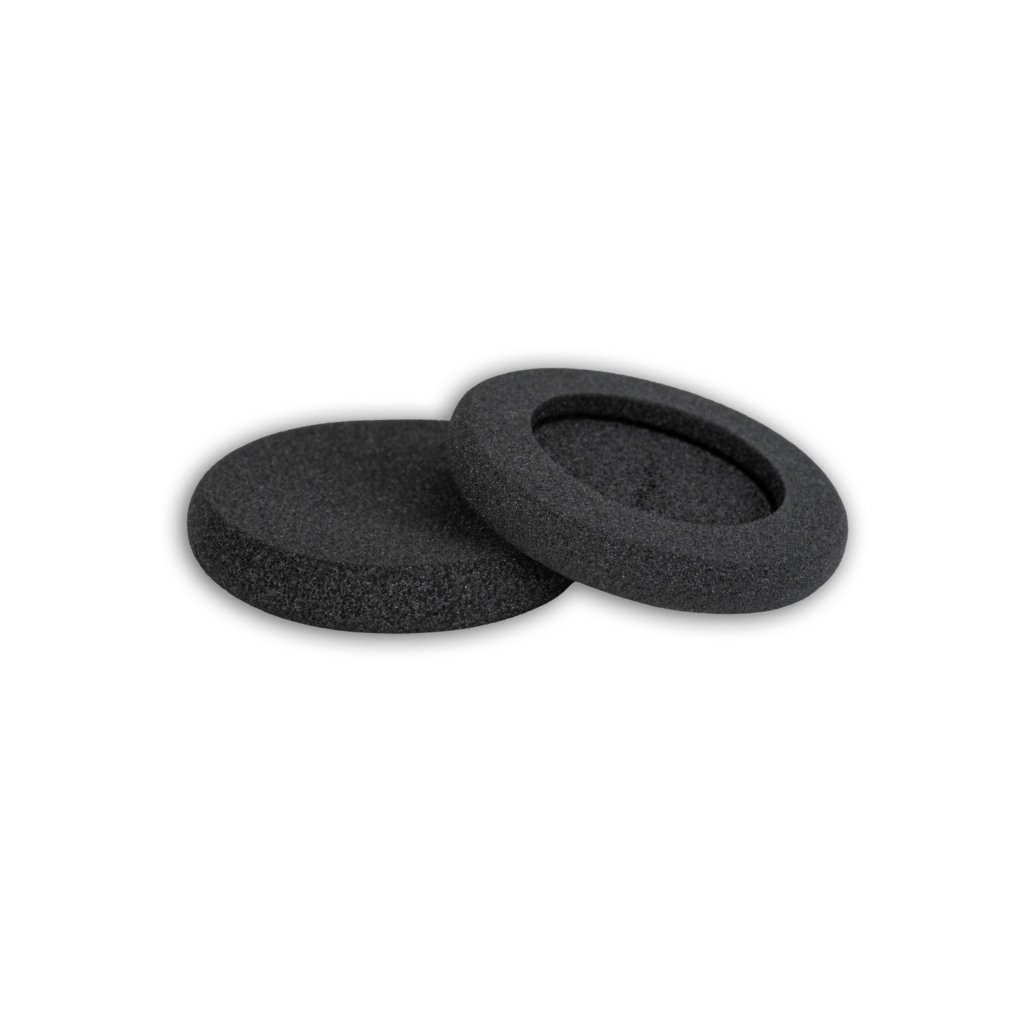
Ear pads should be replaced when they are torn, flaking, detached, or no longer cleanable. This is another reason a dedicated student headphone is preferable: it reduces repeated cross-use and makes condition tracking more straightforward.
Your standard can also specify routine inspection windows, such as at the end of each grading period or before major testing windows.
Identify plug and connector issues
Plugs should be replaced when they are bent, loose, cracked, or no longer seat securely in the device port. A headphone that cuts in and out during testing or instruction should not stay in circulation just because it “mostly works.”
Use a simple replace-or-repair matrix
A short matrix helps staff make consistent decisions:
- Cable damage only: replace cable if model is modular; otherwise replace unit
- Ear pad wear only: replace pads if available and cost-effective
- Plug failure: replace unit unless approved repair process exists
- Headband crack or structural break: replace unit
- Audio imbalance or one-sided sound: test on second device, then replace if issue remains
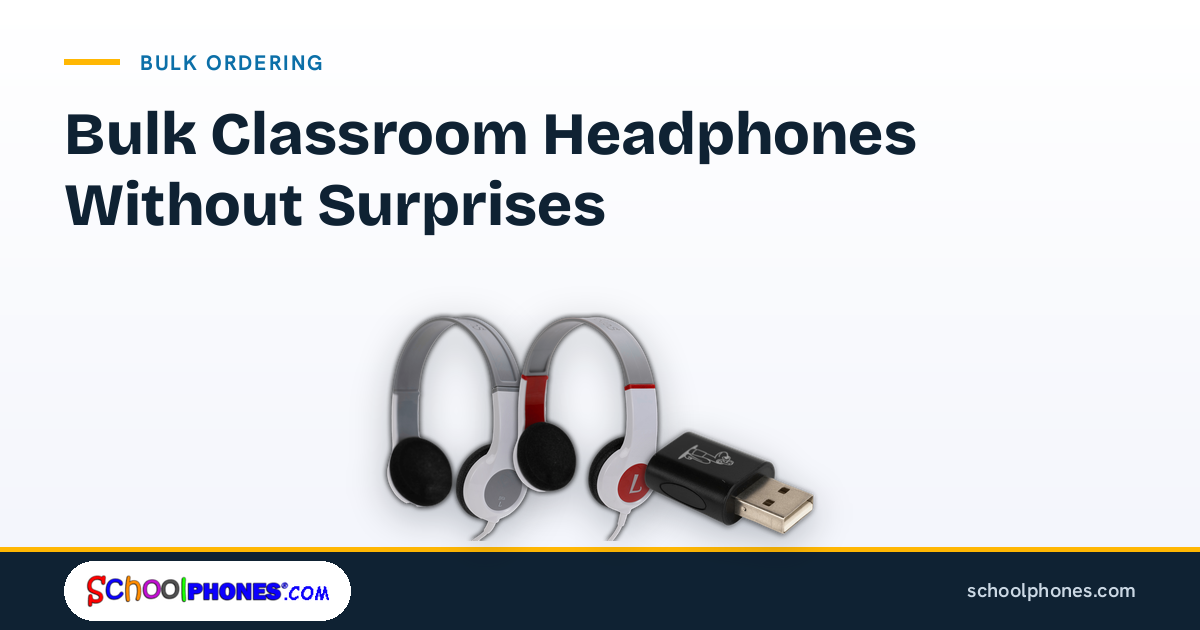
For districts that buy in volume, it can help to standardize around durable models intended for repeated school use, including options such as the modular school testing media headphone when modular replacement is part of the plan.
Roll out the standard across classrooms and campuses
A good standard only works if schools can follow it easily. Rollout should include purchasing guidance, staff training, and a simple review cycle.
Publish a one-page approved standard
Summarize the district rules in a format that principals, teachers, and buyers can scan quickly. Include:
- Approved use categories
- Minimum specs
- Labeling format
- Assignment rules
- Replacement triggers
- Approved ordering path
This document should be easy to attach to purchase requests and campus planning materials.
Train the people who will actually manage the headphones
Teachers, media specialists, campus techs, and front office staff all interact with student audio differently. A short training session before the school year or before testing season can prevent many avoidable issues.
Focus training on the practical points: how to assign headphones, how to inspect them, how to store them, and when to submit a replacement request.
Review the standard after testing and at year-end
The best time to improve your standard is after a major testing window or at the end of the school year. Ask a few direct questions:
- Which models held up best?
- Which failure points appeared most often?
- Were labels readable and durable?
- Did any device compatibility issues appear?
- Did campuses follow the 1:1 assignment model consistently?
If your district purchases for state assessments, compare your approved list against current testing needs as part of that review. The standardized testing headphone guide by state is a useful checkpoint when assessment requirements are part of the decision.
A district-wide headphone standard does not need to be complicated to be effective. Start with minimum specs, assign one dedicated headphone per student, label consistently, and define replacement triggers before problems arise. If you are updating your district approach to headphones for schools, the practical next step is to request a bulk quote or shop durable school headphones at SchoolPHONES®.com.
FAQ
What is the most important rule in a school headphone standard?
The most important rule is a 1:1 assignment model: one dedicated headphone per student. It improves hygiene, accountability, fit, and condition tracking.
Should a district standard name one exact headphone model?
Usually, no. It is better to define minimum specs and approved use categories, then allow one or more models that meet those requirements.
How often should schools inspect student headphones?
At minimum, inspect them before major testing windows and at the end of each grading period. High-use classrooms may need more frequent checks.
What parts fail most often on school headphones?
Cords, plugs, and ear pads are common failure points. That is why replacement rules should address cable damage, connector wear, and pad condition clearly.
How should schools label headphones for students?
Use a consistent district format that includes campus or classroom identification and a student or asset number. Labels should be easy to read and placed where they will not interfere with use.

Leave a Comment!