
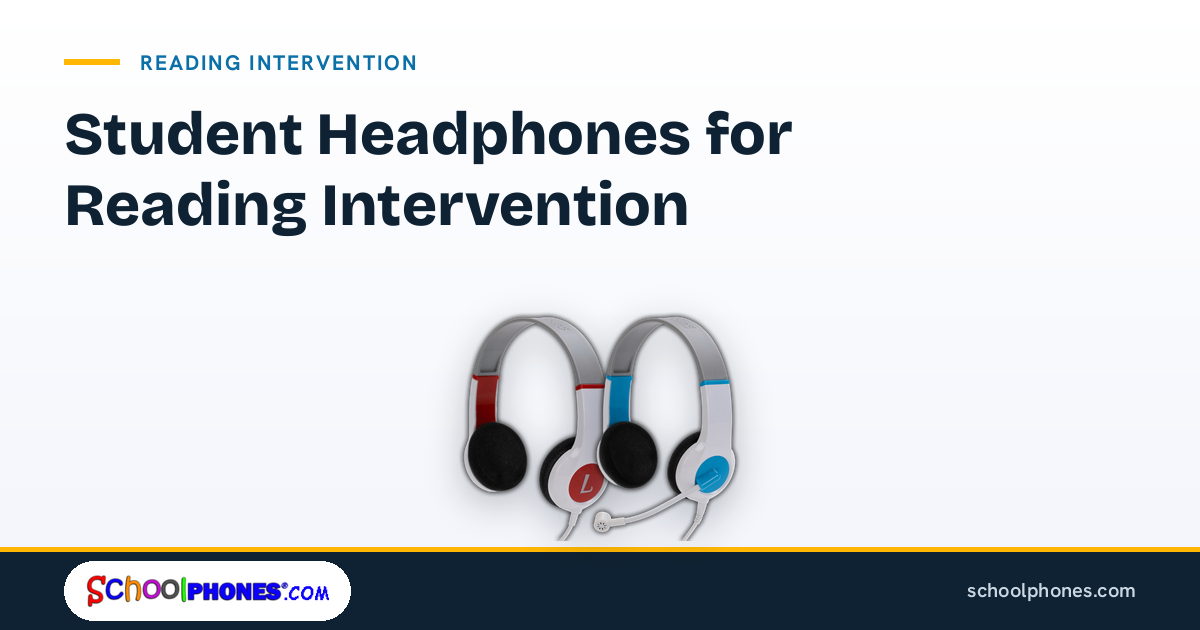
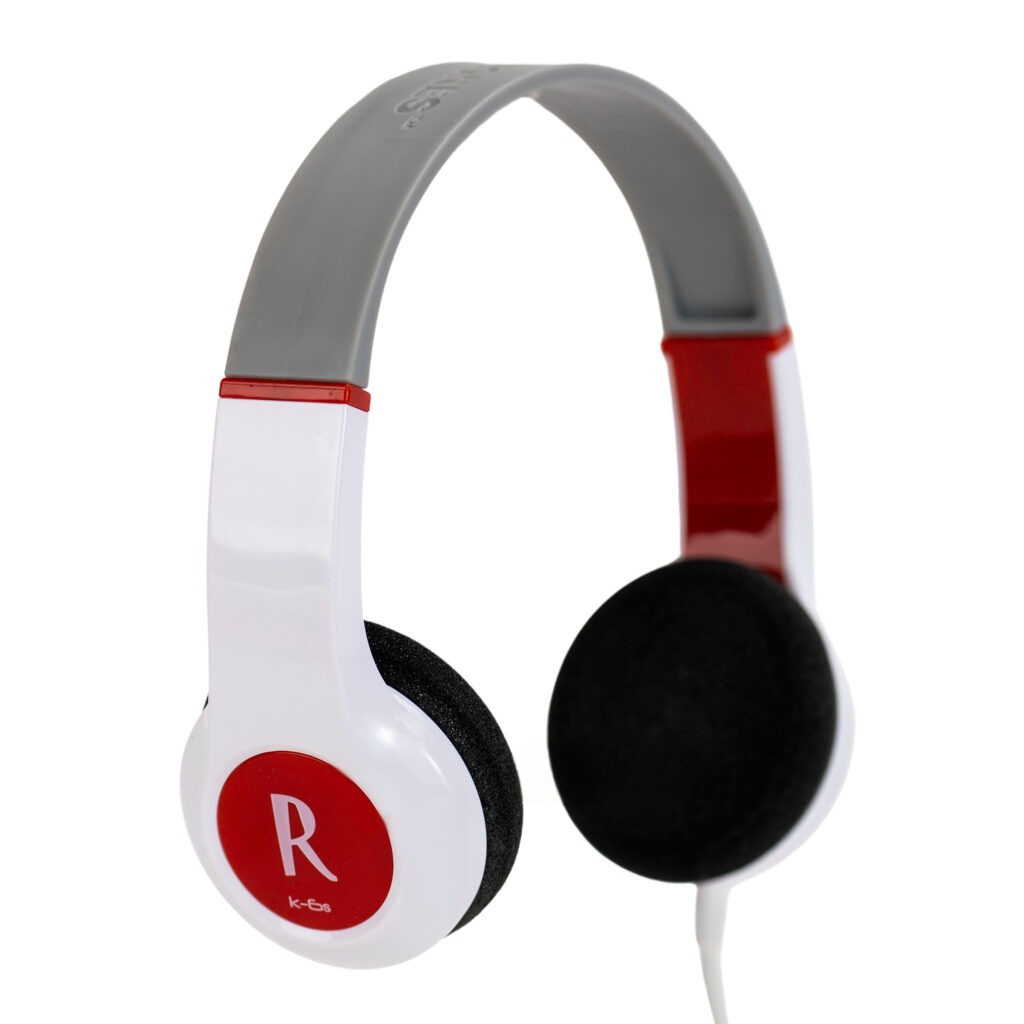
Reading intervention often depends on repeated listening, phonemic awareness practice, text-to-speech, and assessment audio. In many K-12 programs, those tasks happen daily, which means student headphones are not a minor accessory—they are part of the instructional setup. For intervention rooms and literacy labs, a reliable 1:1 headphone-to-student model helps schools support hygiene, accountability, and consistent audio access for every learner.
For teachers, interventionists, and purchasing teams, the challenge is choosing headphones that can hold up to frequent use without creating constant replacement issues. The right approach is to match the headphone to the room’s routines: longer listening sessions, multiple device types, clear labeling, and dependable fit for younger students and older readers alike.
Why intervention spaces need dedicated student headphones
Intervention rooms are different from general classroom centers. Students may use audio for decoding practice, read-aloud support, speech and language activities, progress monitoring, and computer-based literacy programs. Because those sessions are repeated and often individualized, each student benefits from having a dedicated pair of headphones rather than rotating through shared sets.
A 1:1 model is especially useful in reading intervention because it supports predictable daily routines. Students know which headphones are theirs, staff spend less time sorting equipment, and schools reduce the hygiene concerns that come with communal use. Dedicated headphones also improve accountability. When one pair is assigned to one student, it is easier to track wear, damage, and replacement needs over time.
For district and school buyers, standardizing on individual student headphones can also simplify purchasing. Instead of maintaining a mixed pool of aging equipment, schools can plan quantities by enrollment, intervention caseload, or room assignment. That makes it easier to budget for replacements and keep audio access consistent across literacy support settings.
When intervention programs also include digital assessments, it helps to review device and testing requirements alongside instructional use. Schools planning for both daily literacy software and assessment readiness may find this guide to headphones for online testing useful when comparing options.
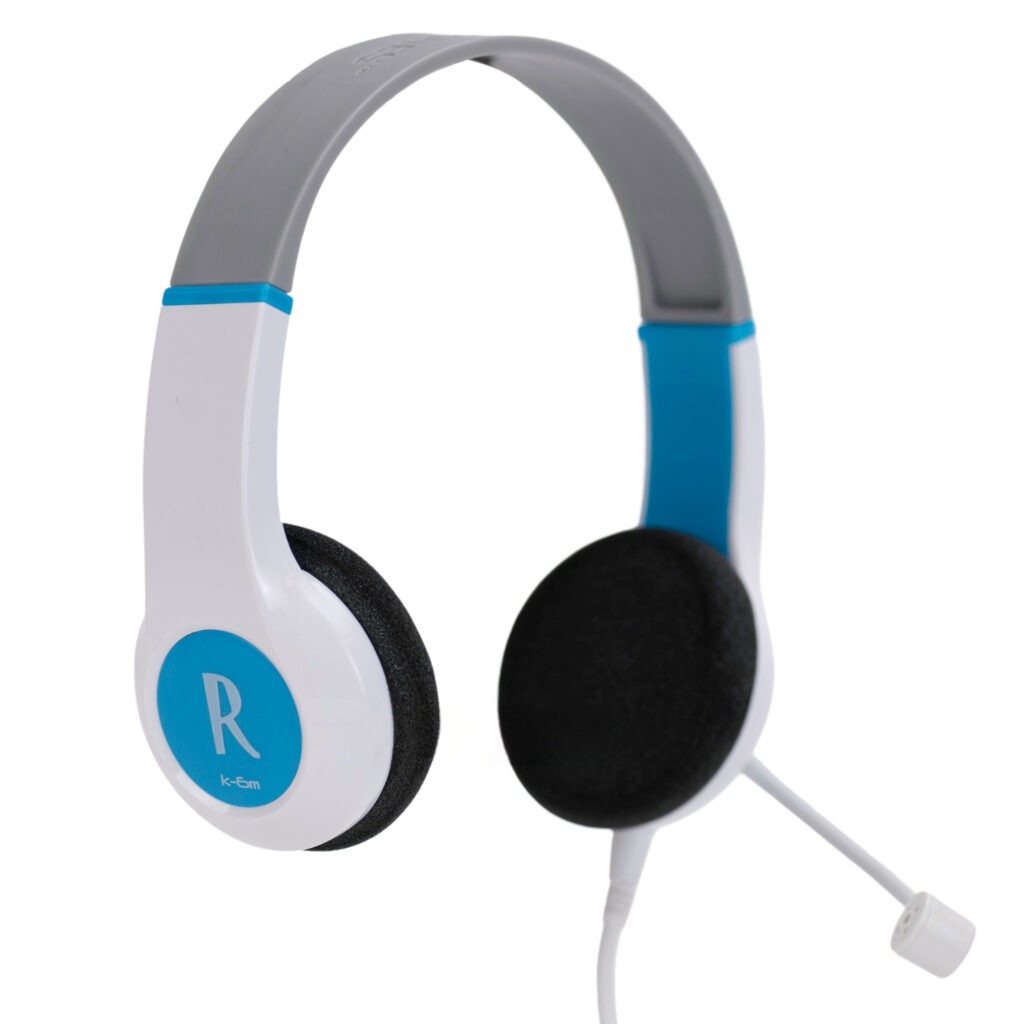
Features that support repeated daily use
Student headphones in intervention spaces are often used more intensively than headphones in occasional enrichment stations. A pair may be worn several times a day for small-group rotations, one-on-one support, and independent software practice. That makes durability and serviceability more important than novelty features.
Volume-limited audio for school use
For K-12 settings, volume-limited headphones are a practical starting point. SchoolPHONES® builds durable, school-first audio gear, with 85 dB hardware volume limiting on the K6 series for younger learners and repeated classroom listening.
Durable construction for frequent handling
Intervention rooms see constant plugging, unplugging, storing, and repositioning. Look for headphones with sturdy earcups, reinforced headbands, and cables designed for school use. Lightweight consumer headphones may work briefly, but they often wear out quickly when used in instructional environments with multiple daily sessions.
Detachable or replaceable parts
Modular designs can be especially helpful in literacy labs and intervention rooms. If a cable fails before the headphone itself, a replaceable cable may extend the usable life of the unit and reduce waste. For schools trying to control long-term replacement costs, serviceable components are worth considering.
Simple, consistent controls
Students in intervention settings often need to get started quickly with minimal adult assistance. Headphones that are easy to put on, connect, and use can reduce transition time. Complicated controls, unnecessary buttons, or inconsistent connectors can slow down instruction and create avoidable troubleshooting.
Schools comparing durable classroom options can review the broader school headphones and media headsets collection to see which designs best fit daily instructional use.
Comfort and fit for longer reading sessions
Reading intervention sessions may be short, but they are often frequent. In some programs, students wear headphones for multiple blocks across a week for listening comprehension, fluency work, and adaptive literacy software. Comfort matters because poor fit can distract from the lesson and reduce student willingness to use the equipment consistently.
Choose age-appropriate sizing
Elementary intervention rooms usually need headphones sized for younger students, while middle school support labs may need more flexible sizing across a wider age range. A headband that adjusts easily helps staff fit the same model across different students without constant readjustment problems.
Prioritize lightweight designs
Heavy headphones can become uncomfortable during repeated listening tasks. Lightweight models are often easier for younger students to wear correctly and for longer periods. This is especially important for students who are already working hard to sustain attention during reading intervention.
Look for ear cushions that support focus
Soft ear cushions can improve comfort and help students stay engaged during audio-based instruction. In intervention spaces, the goal is not to isolate students completely but to provide clear enough audio that they can hear phonics prompts, narration, or text-to-speech without strain.
Keep fit consistent across the room
When a room uses several different headphone styles, staff may spend extra time adjusting fit and solving comfort complaints. Standardizing on one or two dependable models can make setup easier and create a more predictable experience for students.
For schools serving younger learners in literacy support, this overview of headphones for kids can help narrow down fit and durability considerations.

How to manage labeling and replacement in small-group rooms
Even durable student headphones need a management plan. Intervention rooms typically have limited storage space, quick transitions, and multiple adults using the same room throughout the day. A simple system for labeling, storing, and replacing headphones can prevent confusion and extend product life.
Assign one pair to each student
The most effective approach is a dedicated pair for each student. This supports hygiene, reduces mix-ups, and makes it easier to identify recurring issues with a specific unit. It also helps students build responsibility for their own equipment.
Use visible labels that match your roster system
Many schools label headphones with student names, ID numbers, teacher codes, or intervention group numbers. The best system is the one that matches existing room routines. Labels should be easy for staff to read quickly and durable enough to stay attached through daily handling.
Create a simple storage routine
Small-group rooms benefit from predictable storage: individual bins, numbered hooks, or labeled pouches. The goal is to avoid tangled cords and reduce the chance that headphones are dropped into a communal pile. Dedicated storage reinforces the 1:1 model and helps preserve condition.
Plan for replacements before you need them
Intervention schedules are tight, so a broken headphone can disrupt instruction immediately. Keep a small number of replacement units or replacement parts on hand based on room enrollment and usage intensity. Procurement teams may also want to standardize a model across several intervention spaces so replacements are easier to source and deploy.
Track failure points
If headphones are repeatedly failing at the plug, cable, or headband, that pattern can guide future purchasing decisions. A short review each semester can help schools identify whether a more durable or modular model would reduce interruptions and replacement frequency.
For programs that need a serviceable option for repeated school use, the modular school testing media headphone is one example of a design built around practical replacement needs.
Choosing models that work across devices
Intervention rooms rarely use just one device type. A single space may include Chromebooks, iPads, desktop computers, tablets, or testing devices depending on the grade level and software in use. Before purchasing student headphones, confirm connector type, adapter needs, and any platform-specific requirements.
Check the headphone jack and port situation first
Some school devices still use a standard 3.5mm headphone jack, while others may require an adapter or a different connection method. Buying before confirming ports can create avoidable compatibility problems, especially in mixed-device environments.
Match the headphone to the literacy software workflow
If students move between tablets for guided reading apps and laptops for intervention assessments, the headphone model should support both use cases whenever possible. Consistency reduces setup time and helps students focus on instruction rather than equipment changes.
Consider testing requirements alongside intervention use
Many schools want one headphone model that can serve both daily literacy instruction and required assessments. That can be a practical strategy, but only if the model meets the technical expectations for the devices and platforms in use. Schools should verify state and platform guidance before standardizing.
For mixed-device environments, these resources on headphones for tablets and the state-by-state standardized testing headphone guide can help teams compare compatibility needs before placing a bulk order.
FAQ
Why are dedicated student headphones better for reading intervention?
Dedicated headphones support hygiene, accountability, and consistent fit. In intervention rooms, a 1:1 headphone-to-student model also reduces transition time and makes it easier to manage daily audio routines.
What features matter most in student headphones for literacy labs?
Look for durability, comfortable fit, age-appropriate sizing, simple connectivity, and school-friendly volume-limited audio. If the room sees heavy daily use, modular or replaceable parts can also be helpful.
Can the same student headphones be used for intervention and online testing?
Often yes, but schools should confirm device compatibility, connector type, and any testing-specific requirements first. A model that works well for daily literacy software may also work for assessments if it matches the technical standards in use.
How should schools store headphones in small-group intervention rooms?
Use individual labeled storage such as bins, hooks, or pouches assigned to each student. Avoid communal storage that mixes units together, since it makes tracking, hygiene, and accountability harder.
When should a school choose a modular headphone model?
Modular models are useful when intervention rooms use headphones heavily and schools want to replace parts like cables instead of replacing the entire unit. This can simplify maintenance and support longer service life.
Reading intervention works best when audio access is dependable, simple, and ready every day. If your school is equipping literacy labs, intervention rooms, or small-group reading spaces, the next practical step is to standardize on durable student headphones that fit your devices and your 1:1 student assignment model. Request a bulk quote or shop durable school headphones at SchoolPHONES®.com.

Leave a Comment!