
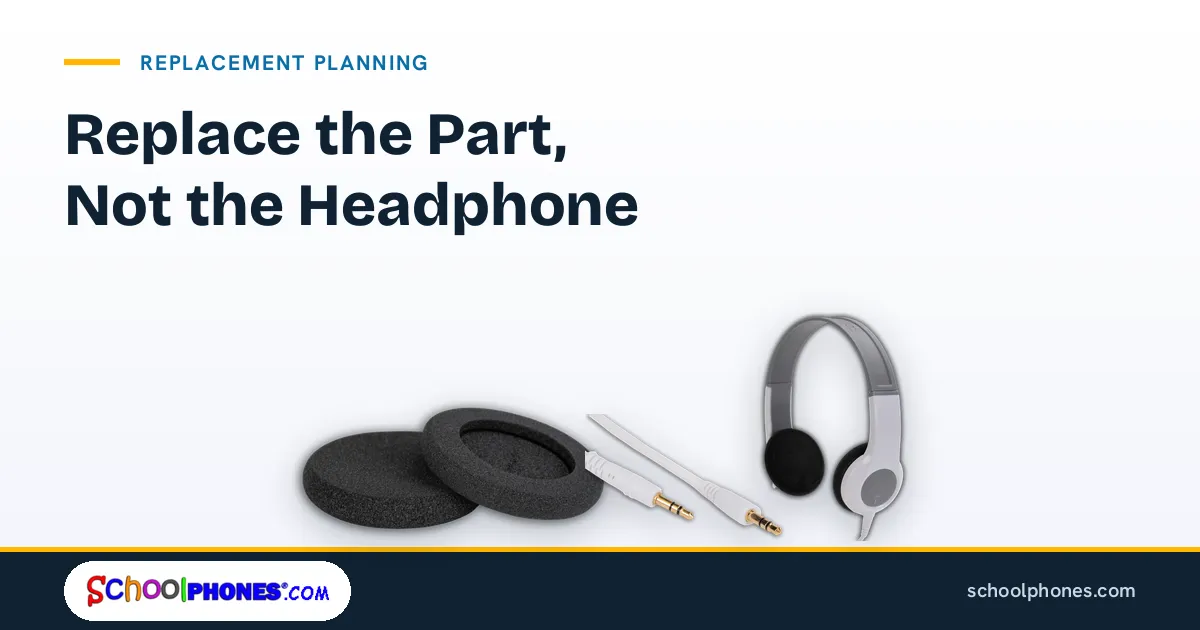
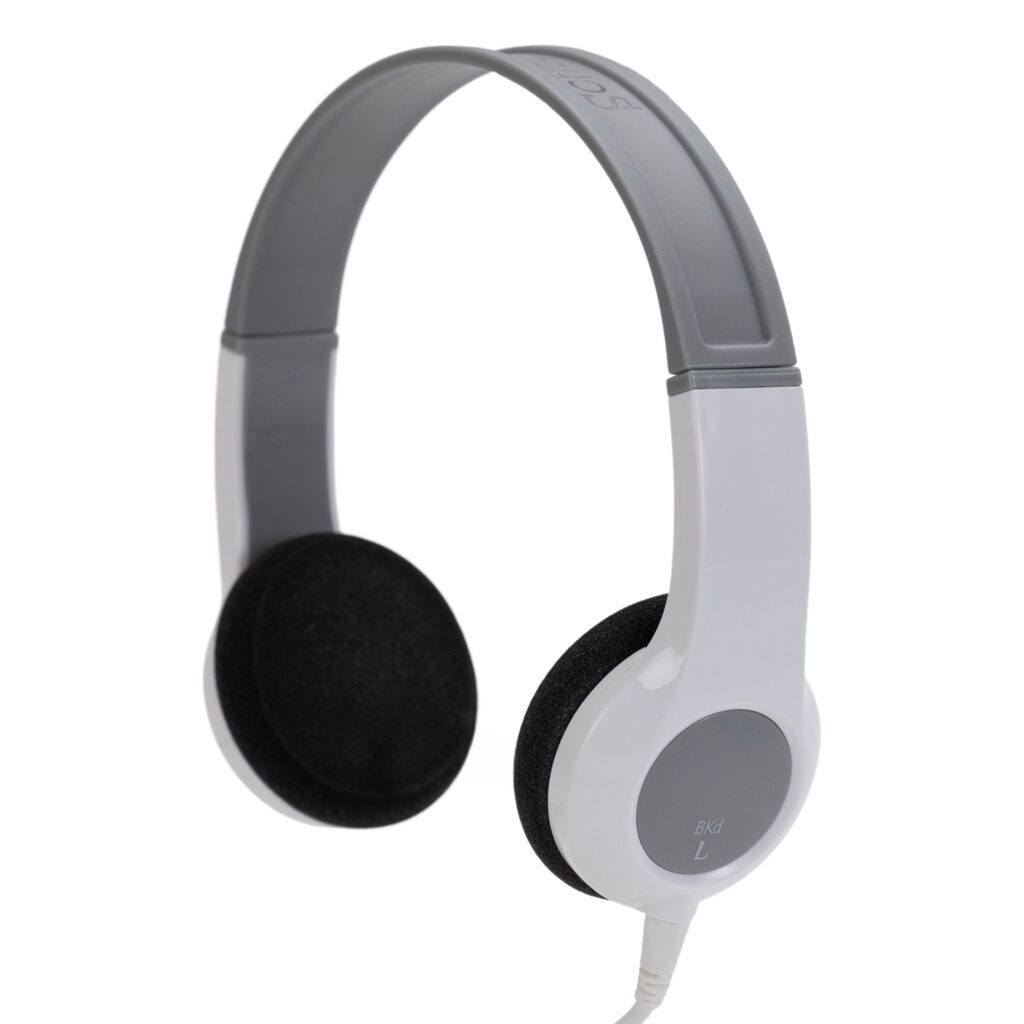
Student headphones are a small line item that can create outsized classroom disruption when they fail at the wrong time. In many schools, headphones are used daily for literacy programs, videos, speech activities, device-based interventions, and online assessments, which makes replacement planning a practical operations issue, not just a purchasing task.
For K-12 teams, the goal is simple: keep a reliable 1:1 headphone-to-student model in place so every student has a dedicated set that is ready when instruction or testing begins. A clear replacement schedule helps schools reduce downtime, support hygiene and accountability, and avoid last-minute emergency orders.
Why replacement planning matters in K-12
Headphones in schools do not wear out on the same timeline as consumer headphones used occasionally at home. In classrooms, they are handled by younger students, plugged into different devices, stored in desks or carts, and used across multiple subjects. That repeated daily use puts stress on ear cushions, headbands, cables, and plugs.
Replacement planning matters because headphone failure usually shows up at the worst possible moment: during a reading block, a language activity, or a scheduled assessment window. Schools that wait until devices fail completely often end up with uneven classroom sets, rushed purchasing decisions, and preventable interruptions.
A planned schedule also supports a better student experience. A dedicated set of student headphones for school use gives each learner a consistent fit and predictable audio quality. It also avoids the hygiene and accountability problems that come with rotating shared sets between students.
For district and site buyers, replacement planning improves budgeting. Instead of treating headphones as a surprise expense, schools can forecast annual needs by grade band, program type, and testing requirements. That makes it easier to align purchases with classroom demand and procurement cycles.
Signs a student headphone set should be retired
Not every worn headphone needs immediate replacement, but some issues are clear signs that a set should be removed from student use. A simple inspection checklist helps teachers and IT staff make consistent decisions.
Audio cuts in and out
If sound drops when the cable is moved or the plug is adjusted, the internal wiring is likely failing. Intermittent audio is especially disruptive during assessments and listening-based instruction.
The plug or cable is damaged
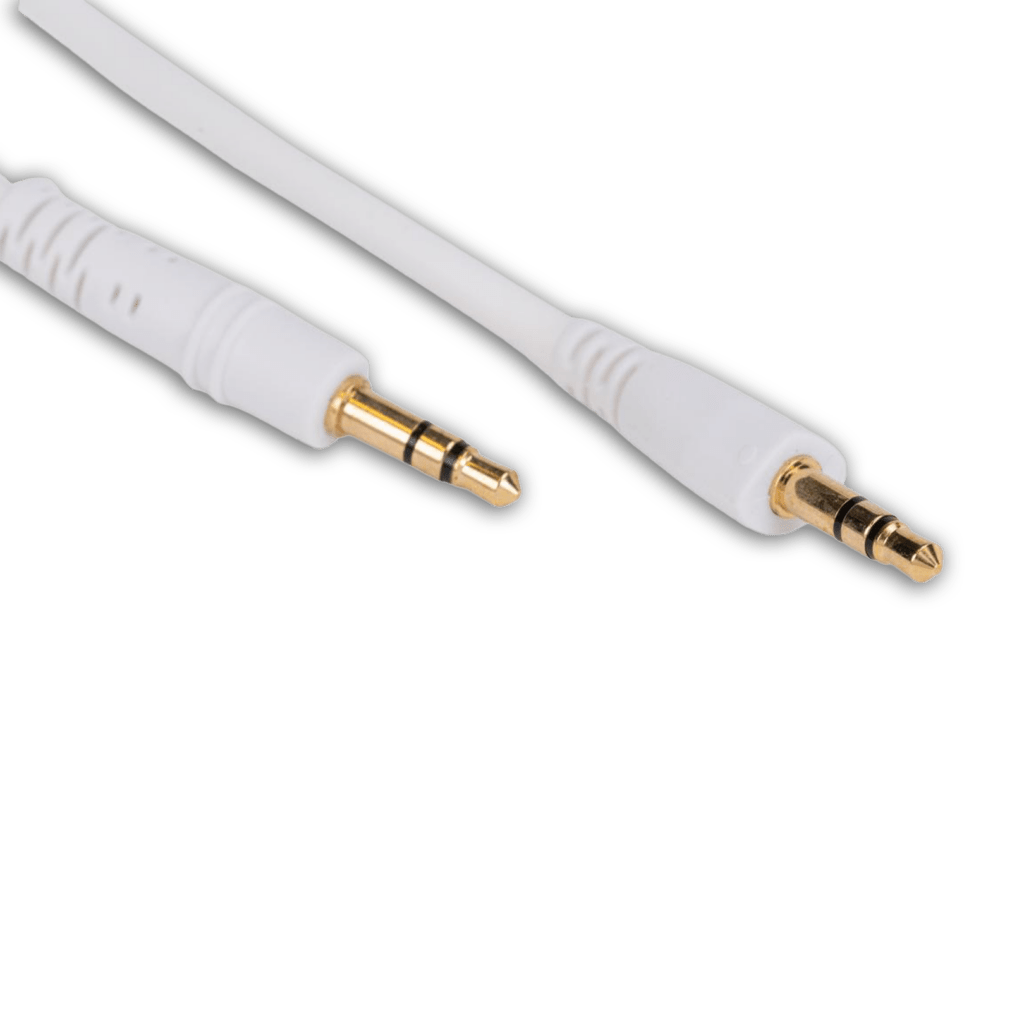
Frayed cables, bent plugs, exposed wiring, or loose strain relief are common end-of-life indicators. These problems usually worsen with continued use, especially in classrooms where headphones are plugged in and unplugged frequently.
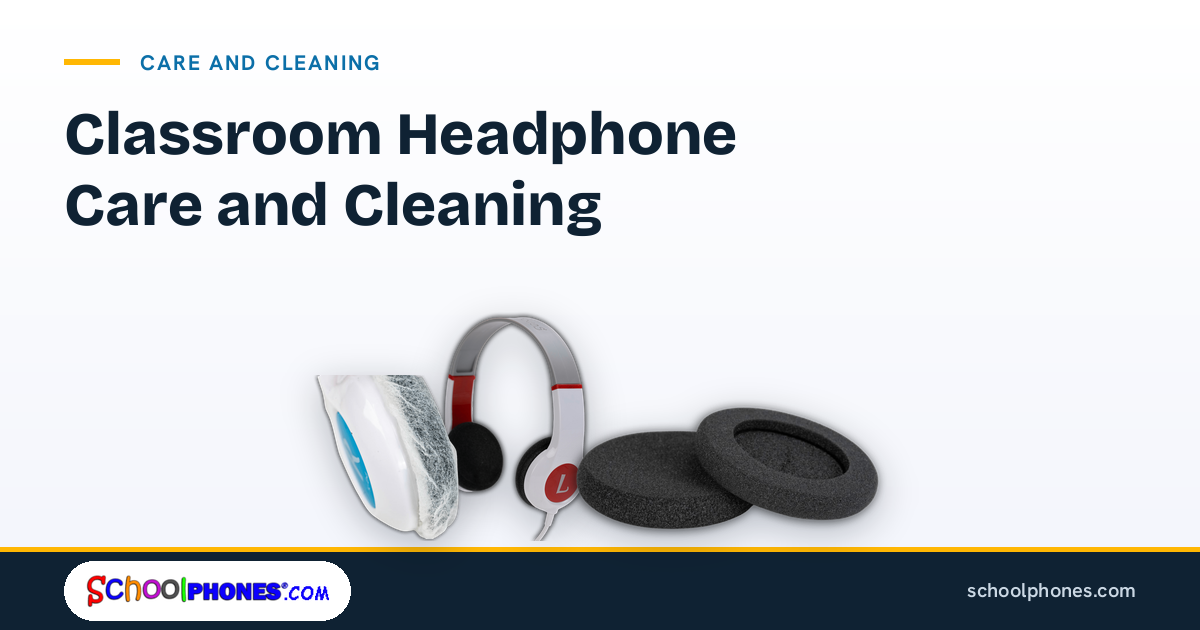
Ear cushions or covers are breaking down
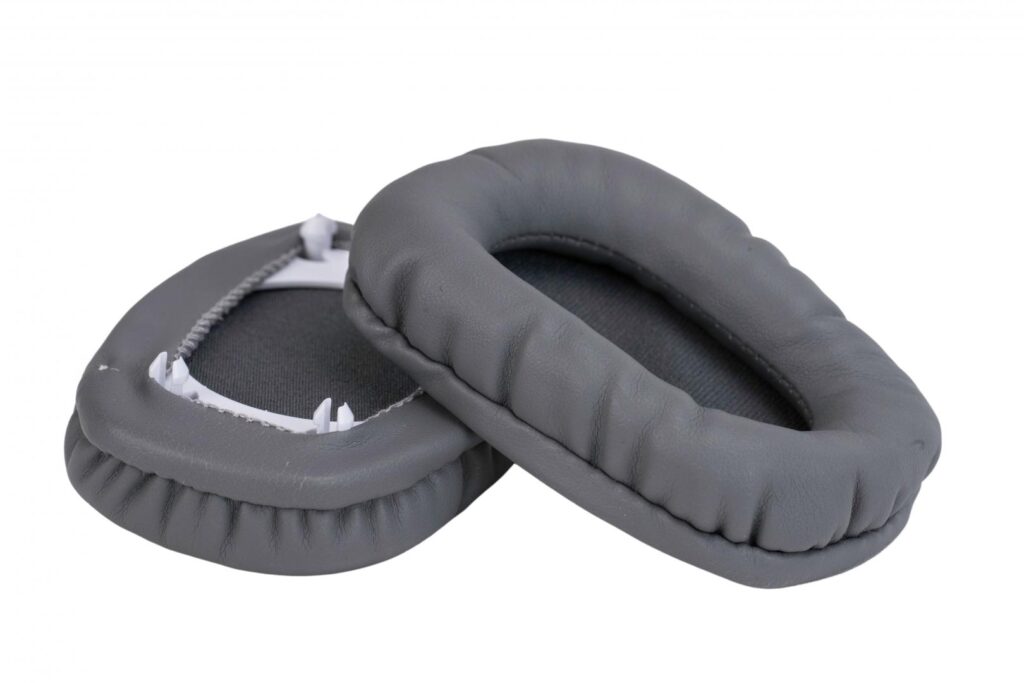
Peeling, cracking, or missing ear cushions affect comfort and classroom usability. In a school setting, visible wear also makes it harder to maintain a clean, consistent inventory standard.
The headband no longer fits securely
If the headband is cracked, stretched out, or no longer holds its adjustment, students may struggle to keep the headphones in place. Poor fit can lead to distraction and rougher handling.
One side is silent or significantly quieter
Uneven audio is a practical reason to retire a set, particularly for phonics, language learning, and testing. If troubleshooting with another device confirms the issue is in the headphones, replacement is usually the best next step.
The headphones no longer match current device needs
Sometimes a set is not physically broken but is no longer a good fit for the devices students use. Schools moving between tablets, Chromebooks, and other classroom hardware should review connector type, cable length, and testing compatibility. If your classrooms rely on tablets, this guide to headphones for tablets in schools can help confirm what to standardize.
How to set replacement rules by grade or use
The most practical replacement schedule is not one universal rule for every classroom. Kindergarten listening centers, middle school intervention labs, and high school testing carts often create very different wear patterns. Schools get better results when they set replacement rules by grade band and use case.
Primary grades: plan for heavier wear
Younger students typically need the most durable construction and the closest monitoring. Headphones in early elementary classrooms are more likely to be twisted, dropped, or stored loosely. For these grades, schools should inspect sets more often and expect a shorter replacement cycle.
It also helps to standardize on age-appropriate models designed for classroom handling and fit. Schools comparing options for younger learners may find this overview of headphones for kids in classroom settings useful when setting grade-level standards.
Upper elementary and middle school: use condition-based replacement
In these grades, wear often depends more on program intensity than age alone. A classroom using headphones daily for intervention software may need replacements sooner than a general classroom using them a few times a week. A condition-based rule works well here: inspect at set points during the year and replace any units that fail the checklist.
High school: align replacement with course and lab use
Older students may handle equipment more carefully, but specialized use can still shorten lifespan. Media labs, language courses, and testing environments may require more frequent refreshes than general classroom sets. If a school uses headphones mainly for assessments, replacement planning should be tied to testing readiness, not just visible wear.
Testing sets: use stricter standards
Headphones used for online assessments should be held to a higher standard because even minor audio issues can create delays and support tickets during a testing window. Schools should verify compatibility, inspect all units before the assessment season, and retire questionable sets early rather than risk interruptions. These resources on headphones for online testing and the state standardized testing headphone guide can help teams align replacement timing with assessment requirements.
Use a 1:1 assignment rule
Whatever schedule you choose, keep one dedicated headphone set assigned to each student whenever possible. A 1:1 model improves hygiene, reduces confusion about ownership, and makes damage or loss easier to track. It also gives students a consistent fit and listening experience across the year.
Budgeting for spares and midyear losses
Even with a strong replacement plan, schools should expect some midyear attrition. Cables fail, plugs bend, and headphones get misplaced during classroom moves or schedule changes. The key is to budget for these realities without relying on communal shared pools as the default model.
A practical approach is to budget in three layers:
- One dedicated set per student
- A small site-level reserve for immediate replacement of failed units
- A midyear review point for topping off inventory before spring testing
The reserve should function as a replacement buffer, not as an ongoing shared-use system. When a student’s assigned set fails, the school can issue a replacement and update inventory records. That keeps the 1:1 model intact while still giving staff flexibility.
Track losses separately from wear
It helps to separate normal wear-and-tear replacements from losses or accidental damage. These categories often point to different solutions. High wear may suggest the need for a more durable model or better cable management. High loss rates may point to storage, labeling, or checkout issues.
Budget around instructional peaks
Many schools need the highest headphone readiness at the start of the year and again before major testing windows. Building those peaks into the purchasing calendar can reduce rush orders and give staff time to label, distribute, and verify working sets.
Standardize where possible
Using fewer headphone models across a school or district can simplify budgeting, support, and replacement decisions. Standardization makes it easier to train staff on what to inspect, what accessories are needed, and which classrooms should receive which models.
Building a simple annual refresh plan
A workable refresh plan does not need to be complicated. The best plans are easy for teachers, IT staff, and purchasing teams to follow consistently.
1. Set a baseline inventory each summer
Before school starts, confirm enrollment targets and match them to a 1:1 headphone count by grade and program. Identify classrooms with heavier audio use and note any special device compatibility needs.
2. Inspect and retire damaged units before distribution
Use a short checklist: test both sides, inspect the plug and cable, check ear cushions, and confirm fit. Remove any units that are unreliable rather than sending them back into circulation.
3. Label and assign headphones to individual students
Assignment improves accountability and helps schools maintain the dedicated-use model. It also makes it easier to identify patterns by classroom, grade, or device type.
4. Schedule at least two in-year review points
Many schools benefit from a fall check after the first heavy-use period and a winter review before spring assessments. These checkpoints catch failures early and support more accurate reorder planning.
5. Review replacement data at year-end
Look at which grades had the highest failure rates, which models held up best, and whether losses were concentrated in certain classrooms or programs. That information can guide next year’s purchasing standards and budget requests.
For schools that want a simpler procurement process, SchoolPHONES® focuses on durable, school-first audio options built for classroom devices, testing, and bulk ordering. The main goal is not to replace headphones more often; it is to choose models and policies that make replacement more predictable.
A practical next step is to review your current inventory by grade band, identify which sets would not make it through the next testing or instructional cycle, and build a replacement list now rather than waiting for failures. If you are planning a refresh, request a bulk quote or shop durable school headphones at SchoolPHONES®.com.
FAQ
How often should schools replace student headphones?
There is no single timeline for every school. Replacement should be based on grade level, frequency of use, device type, and condition checks. Early elementary and high-use intervention settings often need more frequent replacement than occasional-use classrooms.
What is the best inventory model for student headphones?
A 1:1 model is the most practical for schools. One dedicated headphone set per student supports hygiene, accountability, consistent fit, and easier replacement tracking.
What should be checked during a headphone inspection?
Test both audio channels, inspect the cable and plug for damage, check ear cushions for wear, and confirm the headband still fits securely. Any set with intermittent sound or visible cable damage should be retired.
Should schools keep extra headphones on hand?
Yes. A small reserve for immediate replacement is useful when a student’s assigned set fails. That reserve should support the 1:1 model, not replace it with ongoing shared use.
Why should testing headphones be replaced earlier than general classroom sets?
Testing environments allow less room for failure. Even minor audio issues can delay assessments, create support needs, or interrupt student focus, so schools should use stricter inspection and replacement standards for testing sets.

Leave a Comment!