
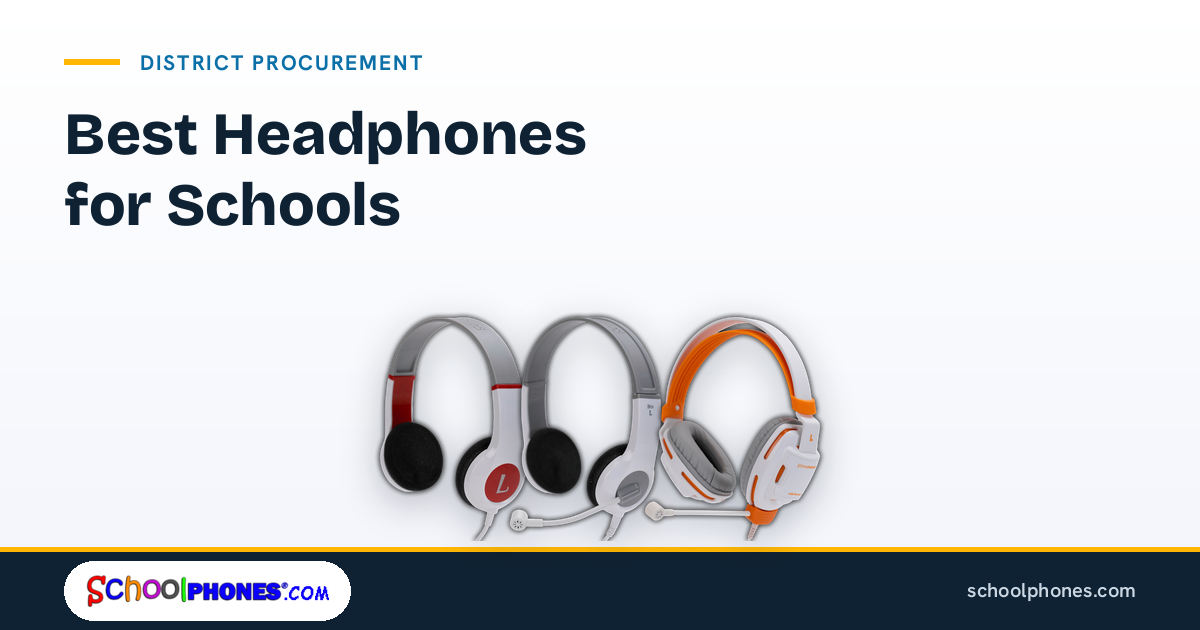
Audio is now part of daily instruction, device-based intervention, and online assessment in many K-12 classrooms. The National Center for Education Statistics reports that 95% of public schools said student and teacher access to technology devices was important for carrying out instruction during the 2023-24 school year. For procurement teams, that makes headphone purchasing a practical infrastructure decision: the best headphones for schools need to work reliably across devices, hold up to student use, and be easy to standardize at scale.
This guide is built for district buyers, school IT leaders, and educators comparing school headphone options. It focuses on the details that matter most in purchasing: specs, compatibility, durability, warranty terms, and how to support a 1:1 headphone-to-student model so each student has a dedicated set for hygiene, accountability, fit, and longer service life.
What makes a school headphone worth buying
A school headphone is not the same as a consumer headphone bought for occasional home use. In schools, headphones are handled by many age groups, plugged into different devices, stored in carts and bins, and used for everything from phonics practice to state testing. A worthwhile purchase is one that fits those realities without creating extra support work for teachers or IT staff.
Built for classroom use, not just casual listening
Procurement teams should prioritize models designed specifically for education settings. That usually means simpler controls, fewer break points, and construction that can tolerate repeated daily handling. Features that look appealing in consumer retail listings do not always translate into easier classroom management.
- Reinforced headbands and earcups
- Cables that resist fraying or can be replaced
- Connections that match district devices
- Comfortable fit for the intended grade band
- Volume-limited listening for student hearing safety
A dedicated headphone for each student
For schools, a 1:1 model is the most practical long-term approach. Assigning one dedicated headphone per student improves hygiene, reduces wear from constant redistribution, and makes it easier to track damage or loss. It also helps students get used to a consistent fit and audio experience across classroom activities and assessments.
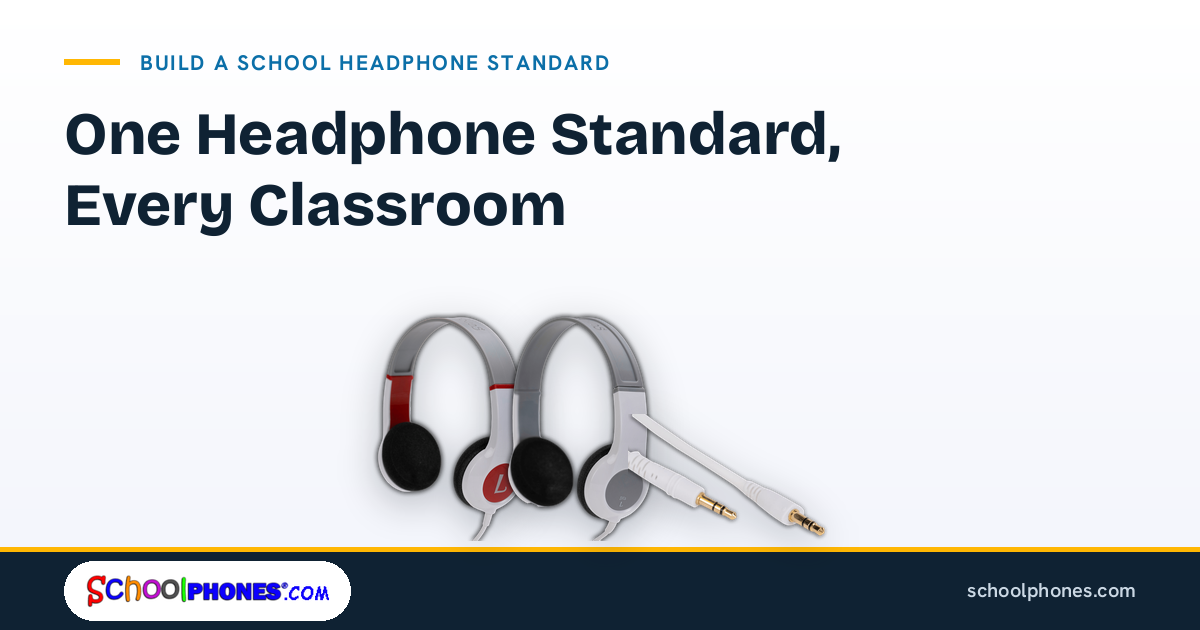
SchoolPHONES® focuses on this school-first approach with durable audio gear built for K-12 environments, applying 85 dB hardware volume limiting to the K6 series for younger students and leaving the BK series full range for older students doing music and media production. If your district is evaluating age-appropriate options, this guide to headphones for kids in school settings is a useful starting point.
Standardization matters more than novelty
Districts often save time and reduce support issues by standardizing on a small number of approved models rather than buying different headphones campus by campus. Standardization simplifies ordering, replacement planning, compatibility checks, and teacher training. It also makes it easier to maintain consistent student audio during testing windows.
Minimum specs procurement teams should require
When writing bid language or evaluating quotes, it helps to define a minimum acceptable specification set. This keeps comparisons fair and prevents low-cost options from winning on price alone while creating higher replacement costs later.
Volume limitation for student hearing safety
For elementary and general classroom use, many schools prefer volume-limited headphones capped at 85 dB. That limit is widely recognized in education and child-focused audio products as a safer listening threshold than unrestricted consumer models. If your district serves younger students, this should be one of the first specs on the checklist.
Device connector compatibility
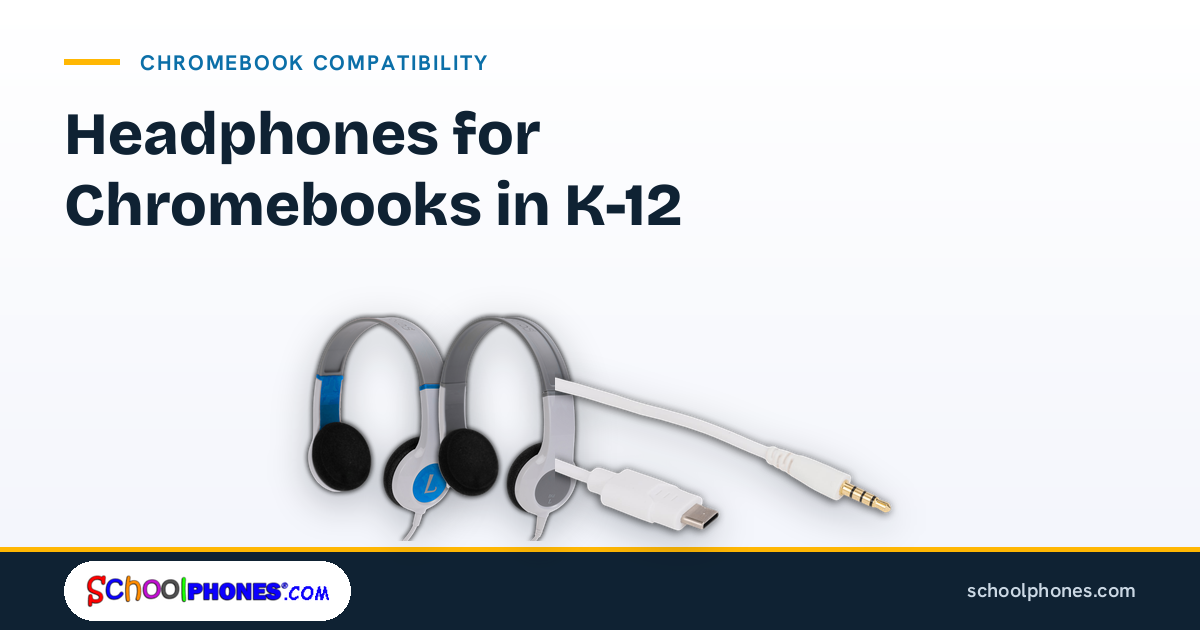
Before issuing a PO, confirm exactly what students will plug into every day. Districts commonly support a mix of Chromebooks, desktops, laptops, tablets, and iPads. The right connector and adapter plan can prevent a large purchase from becoming a deployment problem.
- 3.5 mm TRS plug for standard headphone listening
- 3.5 mm TRRS plug if a microphone is required
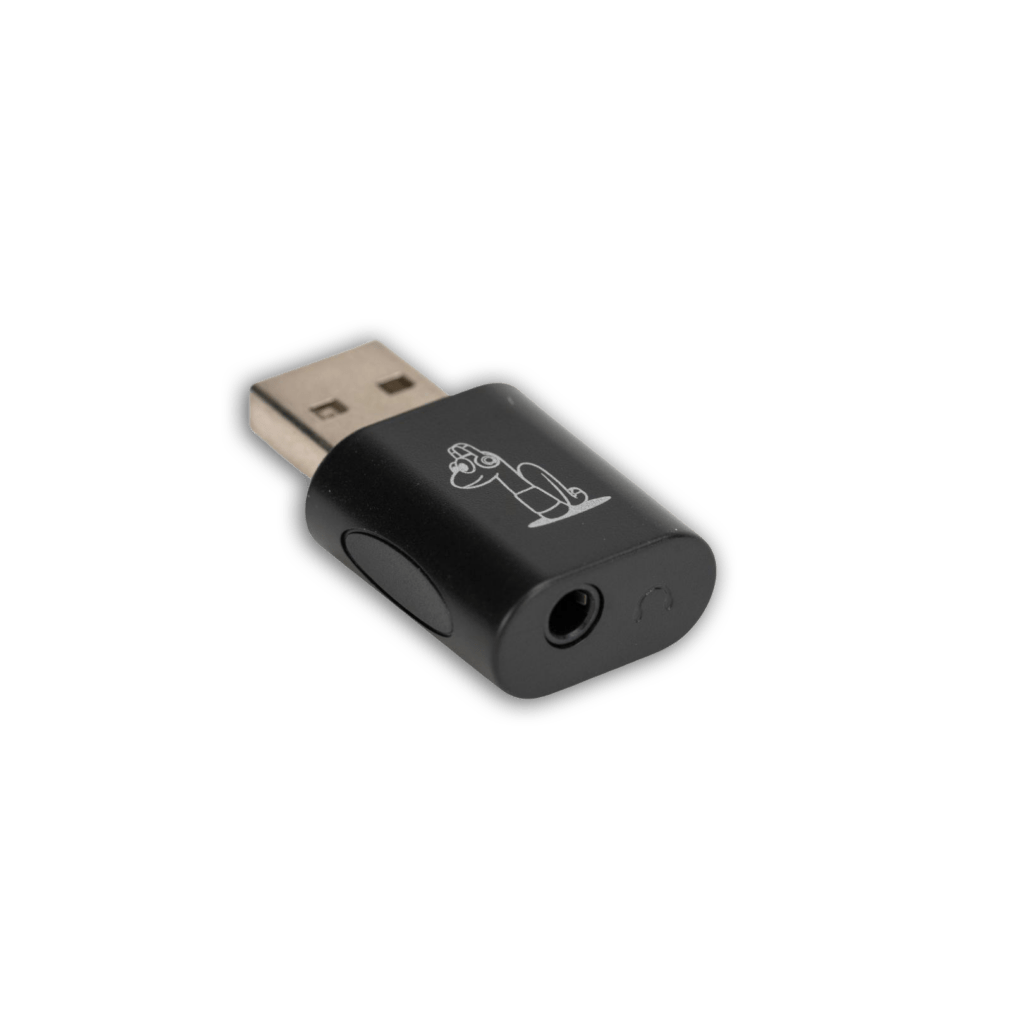
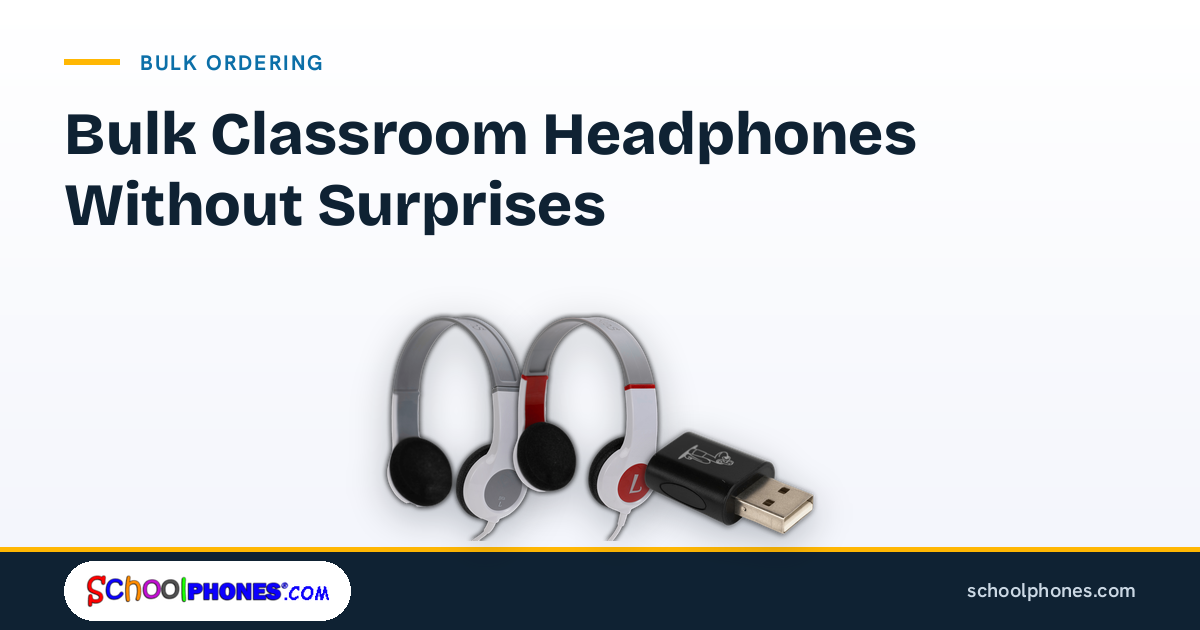
- USB or USB-C only when district devices require it
- Adapters only when they are approved and manageable at scale
If your schools use Apple tablets heavily, review options built for that environment, including headphones for iPads. For broader mobile deployments, this resource on headphones for tablets in classrooms can help narrow connector and fit requirements.
Testing-readiness
Assessment use changes the buying decision. Some testing platforms require only audio playback, while others may require a microphone for speaking or language components. Procurement teams should verify state and platform requirements before selecting a model districtwide.
For districts buying specifically for assessment windows, these headphones for online testing outline the practical differences between everyday classroom models and testing-focused options.
Comfort and fit by grade band
Headphones that fit a high school student may not fit a first grader well. Adjustable headbands, lightweight construction, and ear cushion size all affect whether students can wear headphones comfortably through a lesson or assessment session. If one model will be used across multiple grades, fit range should be tested before a districtwide rollout.
Ordering and replacement practicality
Procurement should also look beyond the unit itself. Bulk packaging, replacement part availability, and reorder consistency all affect the total cost of ownership. A slightly higher upfront price may be justified if the model lasts longer or supports easier replacement planning.
How to compare durability, repairability, and compatibility
Durability claims can sound similar across vendors, so buyers need a practical way to compare products. The goal is not just to find a headphone that works on day one, but one that remains usable after months of classroom handling.
Look closely at the cable
Cables are one of the most common failure points in school headphones. Procurement teams should ask whether the cable is fixed or detachable, how strain relief is designed, and whether replacement cables are available. A detachable cable can extend product life and reduce waste when the cable fails before the earcups do.
Check stress points and materials
Review the headband, earcup hinges, plug housing, and where the cable enters the headphone. These are common break areas in school use. Product photos can help, but sample units are better. If possible, ask teachers or media specialists to handle samples before final approval.
- Headband flexibility under repeated adjustment
- Plug reinforcement and strain relief
- Earcup attachment strength
- Cushion material and ease of cleaning
- Detachable or replaceable components
Confirm compatibility in writing
Do not assume a headphone that works with one Chromebook model will work equally well across all district devices, especially if microphones, adapters, or protective cases are involved. Ask vendors to confirm compatibility with your actual device list and intended use cases.
That includes:
- Listening-only classroom use
- Speech or language testing
- Video conferencing or intervention software
- Use with cases, carts, and charging setups
Evaluate total cost, not just bid price
The lowest line-item price is not always the lowest operational cost. If a cheaper model fails more often, lacks replacement parts, or creates compatibility issues, staff time and reorders can erase the initial savings. Compare expected lifespan, warranty coverage, and replacement options alongside unit cost.
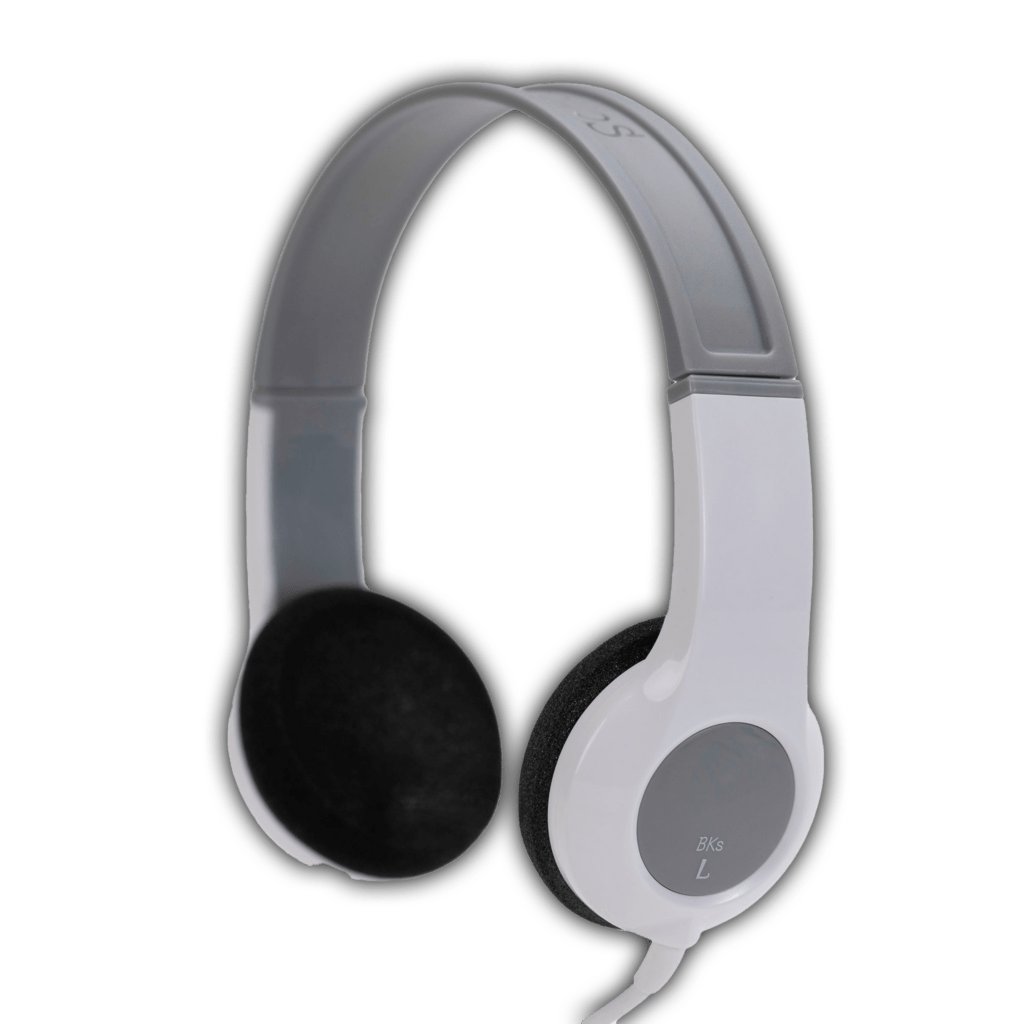
For districts that want a baseline example of a simple classroom model, the BKS durable bulk school headphone shows the kind of straightforward, school-focused design many buyers look for when standardizing everyday listening.
Questions to ask vendors before issuing a PO
A clear vendor questionnaire can prevent avoidable purchasing mistakes. Before finalizing a quote or purchase order, procurement teams should get direct answers to a few operational questions.
Questions about product fit and use
- Which grade levels is this model designed to fit comfortably?
- Is the headphone volume-limited, and if so, to what level?
- Is it intended for classroom listening, testing, or both?
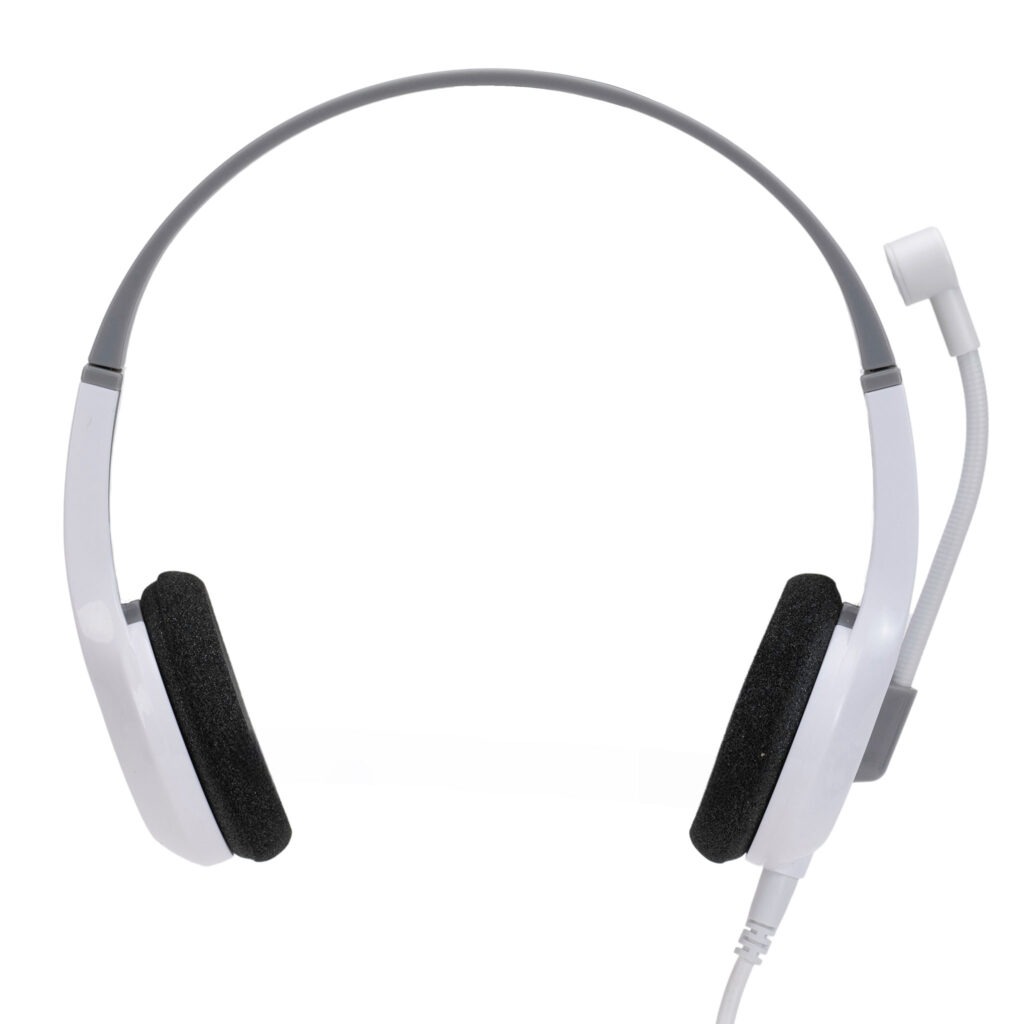
- Does it include a microphone, and is that microphone required for our use case?
Questions about durability and replacement
- What are the most common failure points?
- Are cables detachable or replaceable?
- Are replacement parts or accessories available for reorder?
- What warranty terms apply, and what is excluded?
Questions about ordering terms
- What are the minimum order quantities for bulk purchasing?
- Are there lead-time differences for large district orders?
- Will the same model remain available for future reorders?
- How are products packaged for school deployment?
Questions about compatibility and compliance
- Has the model been used successfully with our device types?
- Does it meet the audio needs of our testing platforms?
- Are adapters needed, and if so, which ones?
- Can the vendor provide written compatibility guidance for our district?
These questions help procurement compare vendors on operational readiness, not just catalog descriptions. They also support better coordination between purchasing, curriculum, and IT teams before devices reach classrooms.
How to standardize one model across grades
Standardization works best when districts define a small set of approved use cases first. Instead of asking for one headphone that does everything perfectly, identify where one model can serve most students well and where a second specialized model may be justified.
Start with your most common use case
For many districts, the most common need is listening on Chromebooks or tablets during daily instruction. If that is true in your schools, begin with a durable, volume-limited listening model that fits the broadest grade range possible. Then evaluate whether testing or microphone-based programs require a separate approved option.
Pilot before districtwide adoption
Even when a spec sheet looks right, a short pilot can reveal fit, comfort, and classroom management issues. Test the model with a representative mix of grade levels, devices, and instructional settings. Ask teachers whether students can connect quickly, wear the headphones comfortably, and store them without damage.
Support the 1:1 headphone-to-student model
Once a model is selected, plan deployment around one dedicated headphone per student rather than rotating sets among students. This approach supports hygiene, reduces confusion, and improves accountability. It also makes replacement planning more predictable because each student is responsible for one assigned unit.
Document approved specs for future POs
After selection, create a short internal standard that lists:
- Approved model name and SKU
- Connector type
- Volume limit requirement
- Intended grade bands
- Approved use cases such as classroom listening or testing
- Replacement and reorder process
This documentation helps schools reorder consistently and reduces the chance of incompatible substitutions later.
The best headphones for schools are the ones that match your district’s devices, student age ranges, and instructional needs while staying manageable to purchase and support. If you are comparing bulk options for classroom listening or testing, the practical next step is to review approved specs, confirm compatibility, and align on a 1:1 student assignment plan. Request a bulk quote or shop durable school headphones at SchoolPHONES®.com.
FAQ
What is the most important spec to check first when buying school headphones?
Start with compatibility: connector type, device match, and whether you need listening only or a microphone. After that, check volume limitation, durability, and fit for the intended grade levels.
Should districts buy one headphone per student?
Yes. A 1:1 headphone-to-student model is the most practical approach for hygiene, accountability, consistent fit, and longer product life in K-12 settings.
Are 85 dB headphones a good choice for schools?
For many elementary and general classroom uses, yes. Volume-limited headphones capped at 85 dB are commonly preferred because they help support safer listening levels for students.
Do schools need different headphones for testing and daily classroom use?
Sometimes. If your testing platform has specific audio or microphone requirements, a testing-focused model may be necessary. For general listening, a simpler classroom model may be sufficient.
What should procurement ask about warranty coverage?
Ask what the warranty period is, what failures are covered, what exclusions apply, and whether replacement parts such as cables or cushions are available for purchase.

Leave a Comment!