
Audio is now part of everyday instruction, device-based intervention, and online assessment in many K-12 settings. The National Center for Education Statistics reports that 95% of public schools said at least one student was enrolled in distance learning in school year 2021–22, reflecting how common device-based learning has become across districts. For procurement teams, that makes classroom headphones bulk planning less about buying a box of extras and more about building a reliable 1:1 student audio program.
At SchoolPHONES®, the most practical approach is one dedicated headphone per student, with purchasing plans built around enrollment, device compatibility, and predictable replacement cycles. This guide walks through how to estimate quantities, set aside spares responsibly, define reorder points, and create a purchase spec that makes district buying easier.
How many headphones to order per classroom or lab
Start with the number of student seats that need audio access at the same time, not just the number of students on a roster. In a self-contained classroom, that may be the full class count. In a lab, media center, or testing room, it is usually the number of active workstations.
For most schools, the cleanest model is simple: order one dedicated headphone per student who will use audio during instruction or testing. A 1:1 assignment supports hygiene, improves accountability, and reduces wear caused by constant swapping between users.
Use seat-based planning first
- General classrooms: count enrolled students plus any permanently assigned intervention or inclusion seats.
- Computer labs: count active stations, then confirm whether all stations require audio.
- Testing rooms: count the maximum number of simultaneous test takers who need headphones.
- Special programs: include language learning, reading intervention, library media, and ESL/ELL spaces where audio is routine.
Then check device compatibility
Before finalizing quantities, confirm what students will plug into. Districts often have a mix of Chromebooks, iPads, laptops, and tablets, and the connector type matters as much as the quantity.
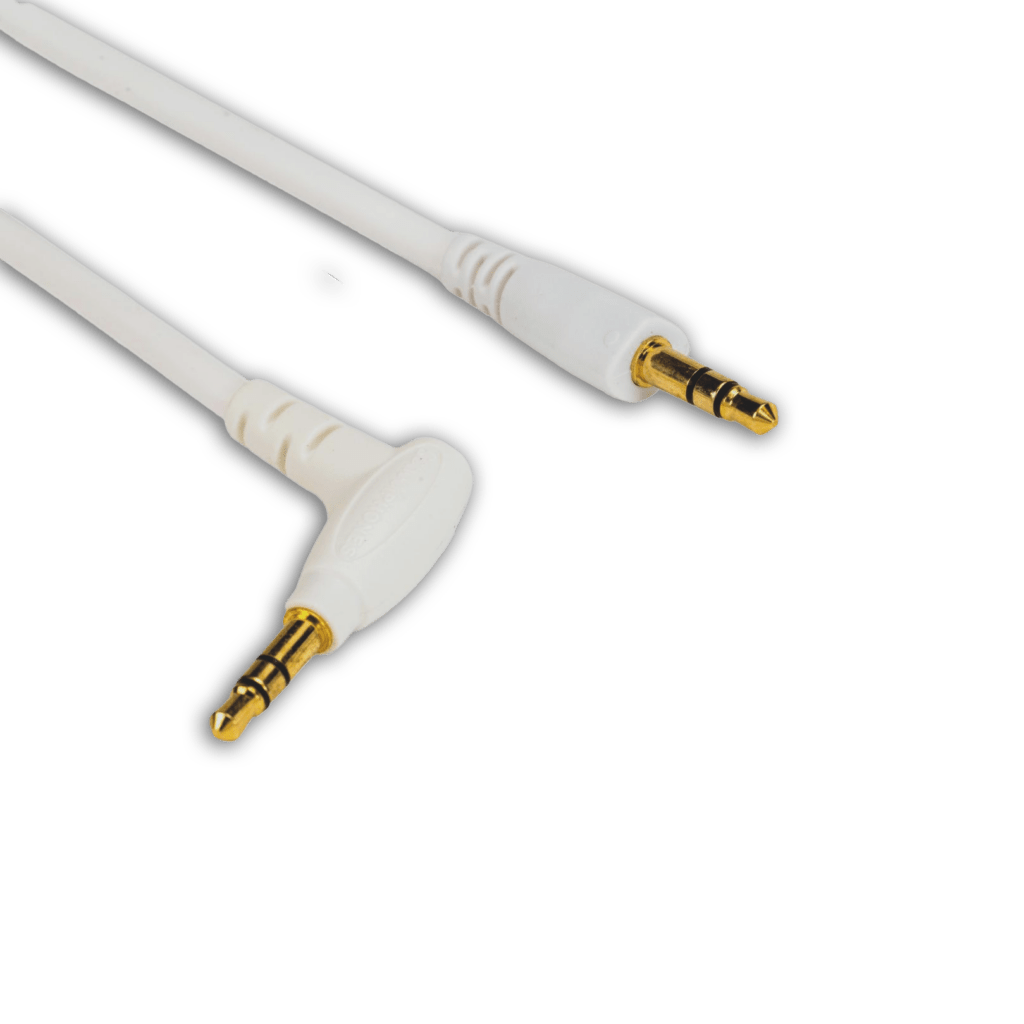
- 3.5 mm TRRS or stereo jacks are still common in many school devices.
- Some tablets and newer devices may require adapters or a different connection plan.
- Testing environments may have platform-specific audio requirements.
If your district uses multiple device types, it helps to group orders by use case rather than trying to force one model into every room. For example, teams planning assessment inventory can review headphones for online testing, while tablet-heavy classrooms may need a different fit from headphones for tablets.
A practical quantity formula
For each classroom, lab, or program area, use this planning sequence:
- Count the number of students or seats needing audio at the same time.
- Assign one headphone per student or station owner.
- Add a small reserve for unopened replacement stock, not for routine sharing.
- Separate standard classroom inventory from testing inventory if requirements differ.
This approach keeps the initial order tied to actual instructional need while preserving a controlled replacement supply.
Setting aside spares without creating shared pools
Schools do need backup inventory, but that does not mean creating a communal bin of rotating headphones. A better system is to hold a limited number of unused replacement units in inventory and assign them permanently when a student headphone is damaged, lost, or no longer serviceable.
That distinction matters. Shared pools can create hygiene concerns, make accountability harder, and often lead to faster breakage because no single user is responsible for care. A dedicated replacement model supports the same 1:1 standard as the original purchase.
What “spares” should mean in practice
Think of spares as replacement stock, not temporary loaners. When a unit fails, a new headphone is issued to that student and recorded against classroom inventory.
- Keep replacement stock sealed and centrally tracked.
- Issue replacements as permanent assignments to individual students.
- Record why the original unit was replaced: damaged plug, broken headband, missing ear cushion, lost item, or end of life.
- Review replacement patterns by classroom, grade band, and model type.
How many replacement units to hold back
The right number depends on student age, frequency of use, and how hard the equipment is used during the year. Younger grades and high-use testing environments often need a larger replacement reserve than occasional-use secondary classrooms.
A practical method is to set aside a modest percentage of the total order as unassigned replacement stock at the school or district level. Keep that reserve separate from classroom issue lists so it is not treated as general-use inventory.
Durability features can also reduce replacement pressure. Districts that want standardized, school-focused options can compare headphones for schools built for repeated classroom handling, volume-limited listening, and common student devices.
Choosing a reorder threshold for damaged or missing units
Many schools wait too long to reorder. By the time staff notice shortages, testing windows or classroom activities are already affected. A better process is to define a reorder threshold before the school year begins.
Track three numbers consistently
- Total assigned units
- Replacement stock on hand
- Units removed from service due to damage or loss
These three numbers give purchasing staff a clear picture of whether inventory is stable or slipping below operational need.
Set a minimum on-hand level
Your reorder threshold should be the point at which replacement stock drops low enough to risk disruption. For example, if a school starts the year with a defined reserve, the reorder point should trigger before that reserve is nearly exhausted.
In practice, districts often choose one of these methods:
- A fixed unit threshold for each building
- A percentage of original inventory remaining in replacement stock
- A scheduled review before major testing windows and again midyear
Review timing matters
Do not rely on end-of-year counts alone. Review inventory at predictable points:
- Before fall rollout
- At the end of the first grading period
- Before winter or spring assessment windows
- During end-of-year asset review for summer purchasing
This cadence helps districts place classroom headphones bulk reorders before shortages become urgent. It also gives procurement teams time to align orders with budget cycles and approved vendor processes.

What to include in a bulk purchase spec
A clear purchase specification reduces back-and-forth with vendors and helps schools compare options fairly. It also prevents a common problem in district buying: ordering a low-cost consumer model that does not hold up in classrooms or does not match device requirements.
Core specification items
- Intended use: classroom instruction, intervention, library, lab, or online testing
- User group: elementary, middle, or high school
- Quantity by site, room, or program
- Connector type and adapter needs
- Volume-limited requirement, such as 85 dB where appropriate
- Over-ear, on-ear, or earbud format based on student age and use case
- Cable style and length
- Replaceable or detachable parts if standardization matters
- Packaging and labeling requirements for school distribution
- Warranty terms and support expectations
Questions worth answering in the spec
- Will these be assigned to individual students for the year?
- Are they used with Chromebooks, iPads, desktops, or mixed devices?
- Do state or district testing platforms require a specific audio setup?
- Does the district want one standardized model or separate models by grade band?
- Will schools need adapters included in the order?
For iPad deployments, it can help to review compatibility considerations for headphones for iPads before writing the final spec. That step can prevent mismatches between classroom inventory and actual student devices.
Why durability details belong in procurement documents
In school environments, small design choices affect total replacement volume. Reinforced entry points, flexible headbands, and detachable cables can matter more than cosmetic features. If your district is standardizing, include the durability features that support your actual use pattern rather than evaluating only unit price.
That is especially important for high-volume orders where even a small difference in failure rate can create extra administrative work across many classrooms.
How to simplify district-wide purchasing
District-wide headphone buying gets easier when schools stop treating each classroom as a separate exception. Standardization, clear inventory rules, and a shared reorder process reduce confusion for teachers, IT teams, and purchasing staff.
Standardize by use case, not by building preference
Most districts can simplify purchasing by defining a small number of approved audio categories, such as:
- General classroom headphones
- Testing headphones
- Tablet-specific headphones
- Headsets for devices or programs that require microphones
This keeps ordering flexible enough for real classroom needs without creating dozens of one-off SKUs.
Create a district issue-and-replacement process
- Assign one headphone per student where audio is required.
- Record assignment by classroom, teacher, or student ID process.
- Store replacement stock centrally.
- Require damaged units to be reported before replacements are issued.
- Review reorder thresholds on a set calendar.
When everyone follows the same process, procurement data becomes more useful. You can see which models last, which grade bands need more replacements, and when to place the next order.
Use one source of truth for approved products
Purchasing teams should maintain a short list of approved models and categories so schools are not comparing incompatible products each time they need more inventory. Districts evaluating options can start with the broader school audio product categories at SchoolPHONES®.com and narrow selections by device type, testing needs, and student age.
The goal is not to buy the most units at once. It is to build a dependable, easy-to-manage 1:1 audio program that supports instruction and testing without constant replacement emergencies.
The next practical step is to review current seat counts, device types, and replacement history by building, then turn that information into a written bulk spec and reorder plan. If your team is ready to standardize or refresh inventory, request a bulk quote or shop durable school headphones at SchoolPHONES®.com.
FAQ
How many headphones should a classroom order?
Order one dedicated headphone per student who needs audio access, based on actual classroom enrollment or simultaneous seat count. Then keep a separate reserve of unused replacement stock for permanent reassignment when needed.
Should schools keep shared backup headphones?
No. A better practice is to maintain sealed replacement inventory and assign a replacement permanently to the student when the original unit is damaged or missing. This supports hygiene, accountability, and more consistent wear patterns.
When should a school reorder classroom headphones?
Reorder when replacement stock reaches a predefined minimum level, not when classrooms are already short. Many schools review inventory before major testing windows and at least once midyear.
What should be included in a bulk headphone purchase specification?
Include intended use, quantity by site, device compatibility, connector type, volume-limiting requirements, form factor, cable details, durability features, packaging needs, and warranty expectations.
Why is a 1:1 headphone model better for schools?
A 1:1 model gives each student a dedicated unit, which improves hygiene, fit, accountability, and inventory control. It also makes replacement tracking and district forecasting much easier than rotating shared equipment.

Leave a Comment!